
Performative Inquiry
Founder: Ashkan Kheilnejad
Presented at universities across Iran since 2017
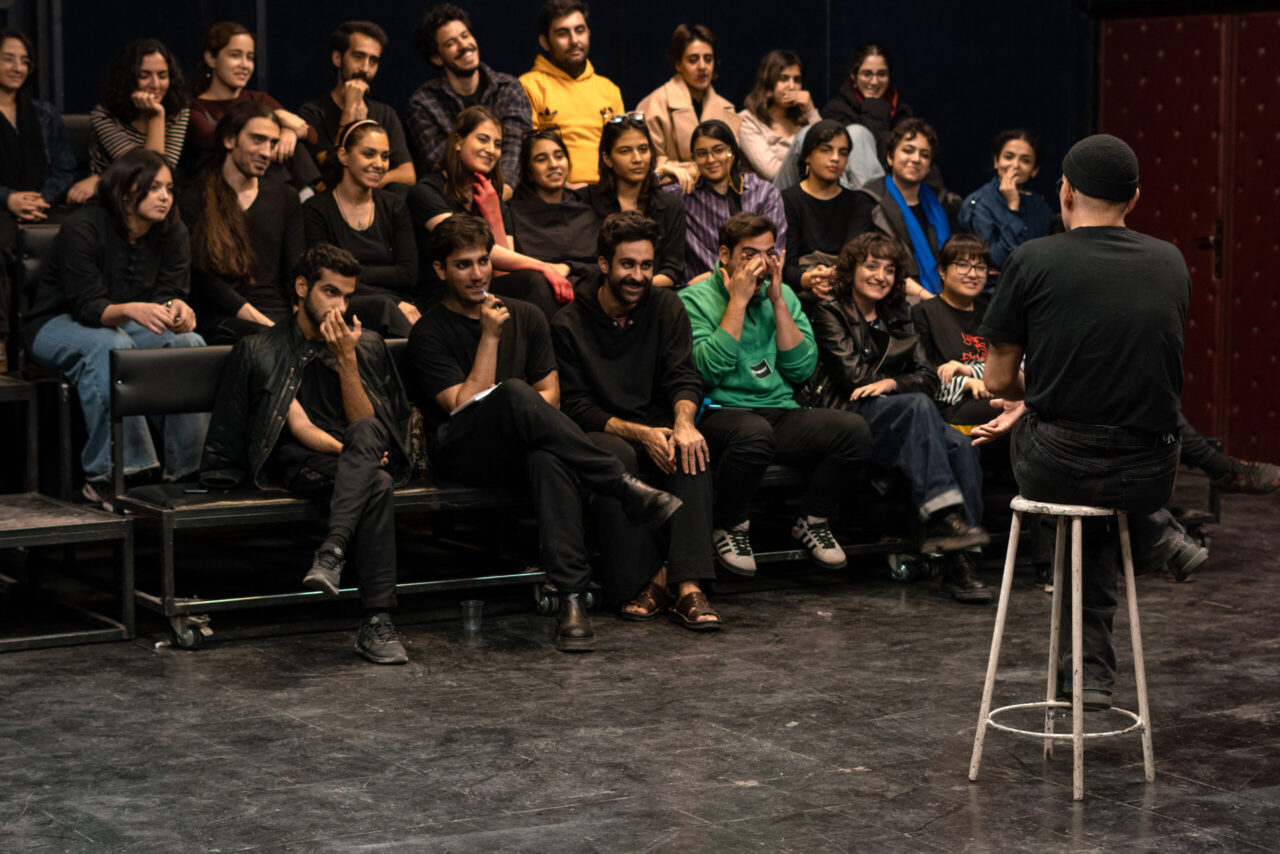
Where does performance form come from?
These workshops are a space to dive into form as a mode of thinking. The spark came in my student years, when I was mapping out the multilayered notion of form through translations and encounters with theatre beyond Iran, while academic studios at home still clung to traditional methods. In response, I chose to make my questions public—inviting theatre students to collaborate and, beyond the usual academic frameworks, to build a bridge between theatre studies and theatre-making. Each session becomes a lab to test performative approaches, not to arrive at ready-made answers or established formulas, but to leap toward the layered construction of form through new questions. So far, this inquiry has unfolded across three interconnected layers:
• Approaching text as a material
• Rethinking the performance–audience relationship
• Understanding the performer as a dramaturg
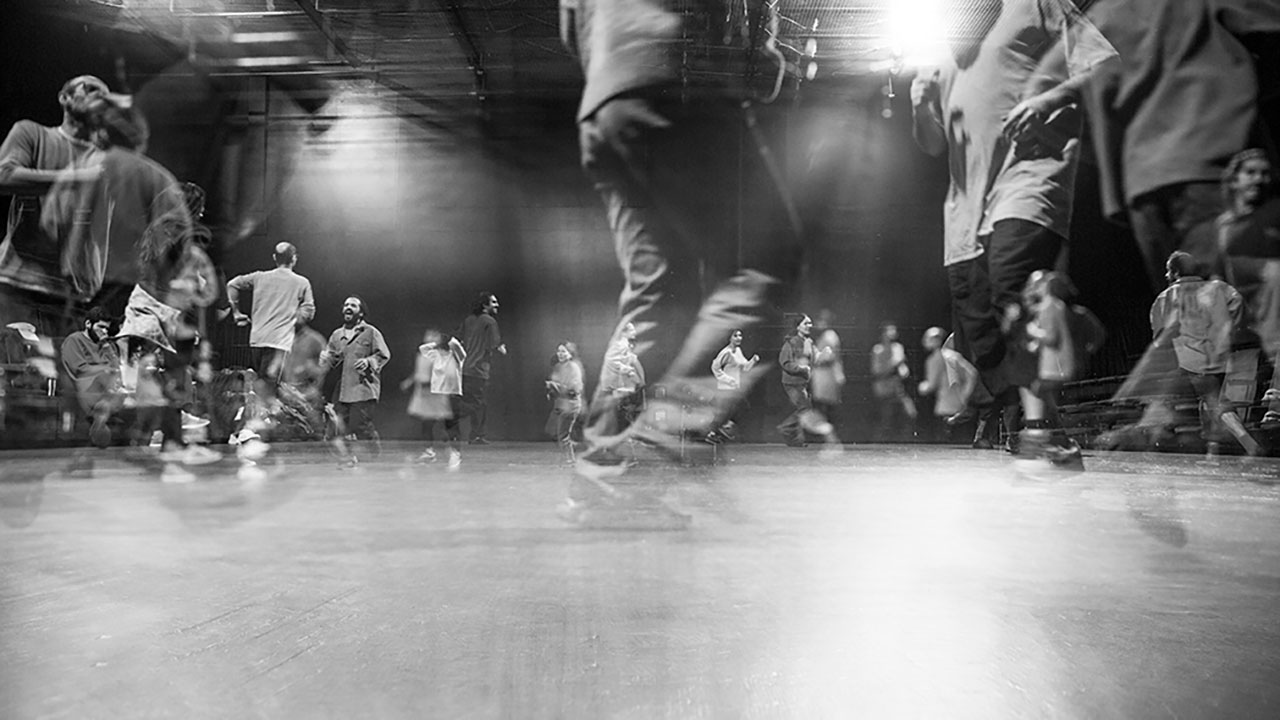
Text As Material
In this workshop, we work with text as a versatile performative material. Together, we shape narrative and non-narrative sources into expressive performance elements, exploring how different textual layers interact to create dynamic, cohesive pieces.
By the end, we are able to construct original performance texts from a variety of sources, experimenting and discovering new ways for form to emerge through language.

Audience as Response-Ability
In this workshop, we renew our understanding of the relationship between performance and audience, where bodies, objects, and media shape the spectator’s perception. We explore non-linear texts and non-representational staging, designing encounters where the audience is not merely observing but emancipated—freed to act, respond, and co-create meaning.
Each project becomes an opportunity to show how theatre can function as a new language of communication and interaction.

The Performer as Dramaturg
In this workshop, we work with the actor as an active, generative force, shaping the dramaturgy rather than merely performing text. We shape the structure of the piece through body, voice, and interaction with space. Working with physical, vocal, visual, and spatial elements, we discover meaning through their interplay and contribute to the dramaturgical design.
Each of us presents a performance, showing our role in creating meaning and structure within the work.
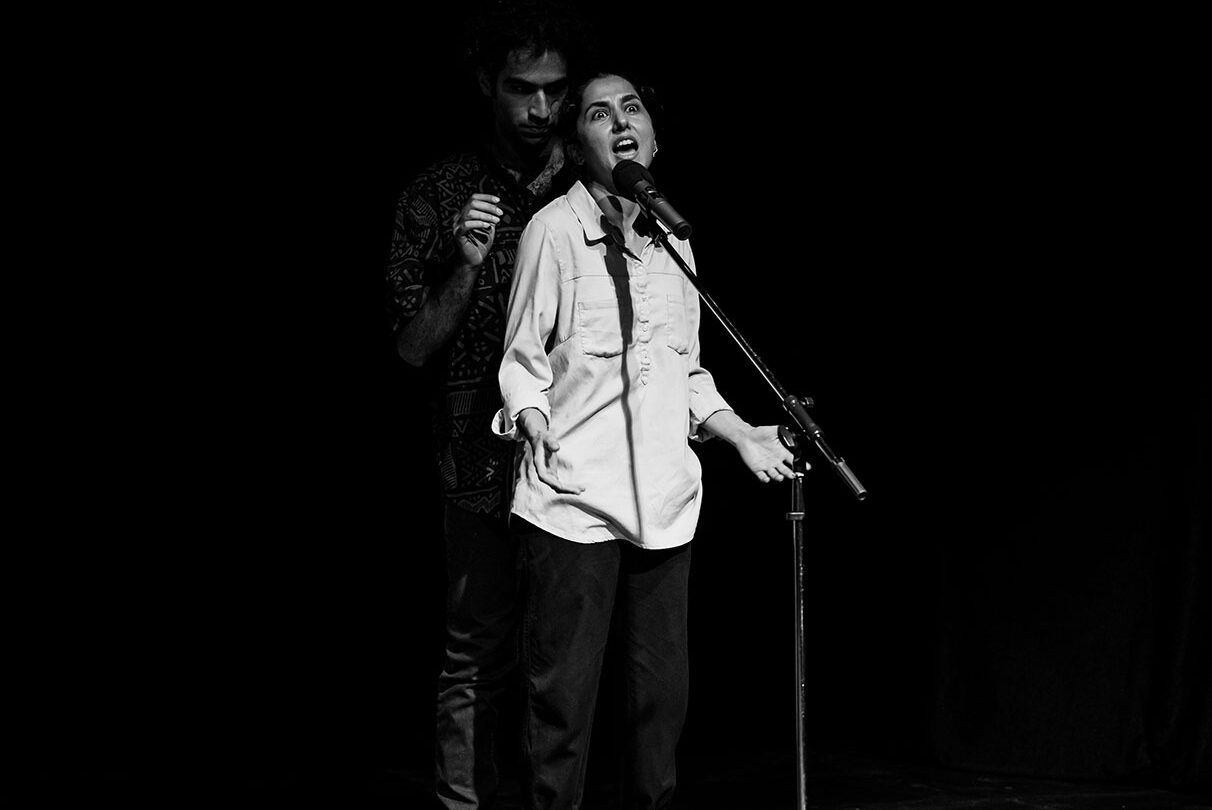
Venues and Collaborations
- Tehran University – College of Fine Arts – 2025
- Tehran University of Art – Faculty of Cinema and Theatre – 2024
- Tarbiat Modares University – Department of Directing and Acting – 2023
- Kashan University of Medical Science – Theatre Association – 2019
- Sepehr University of Art (Isfahan) – Department of Directing and Acting – 2019
- Tehran University of Art – Farabi International Campus – 2018 and 2019
- Shahid Bahonar University of Kerman – Faculty of Art and Architecture Saba – 2018
- Pars University of Architecture and Art – Department of Cinema – 2017 and 2018
Duration
- Each Course: 30 hours
- Format: 5 sessions, lasting 6 hours each
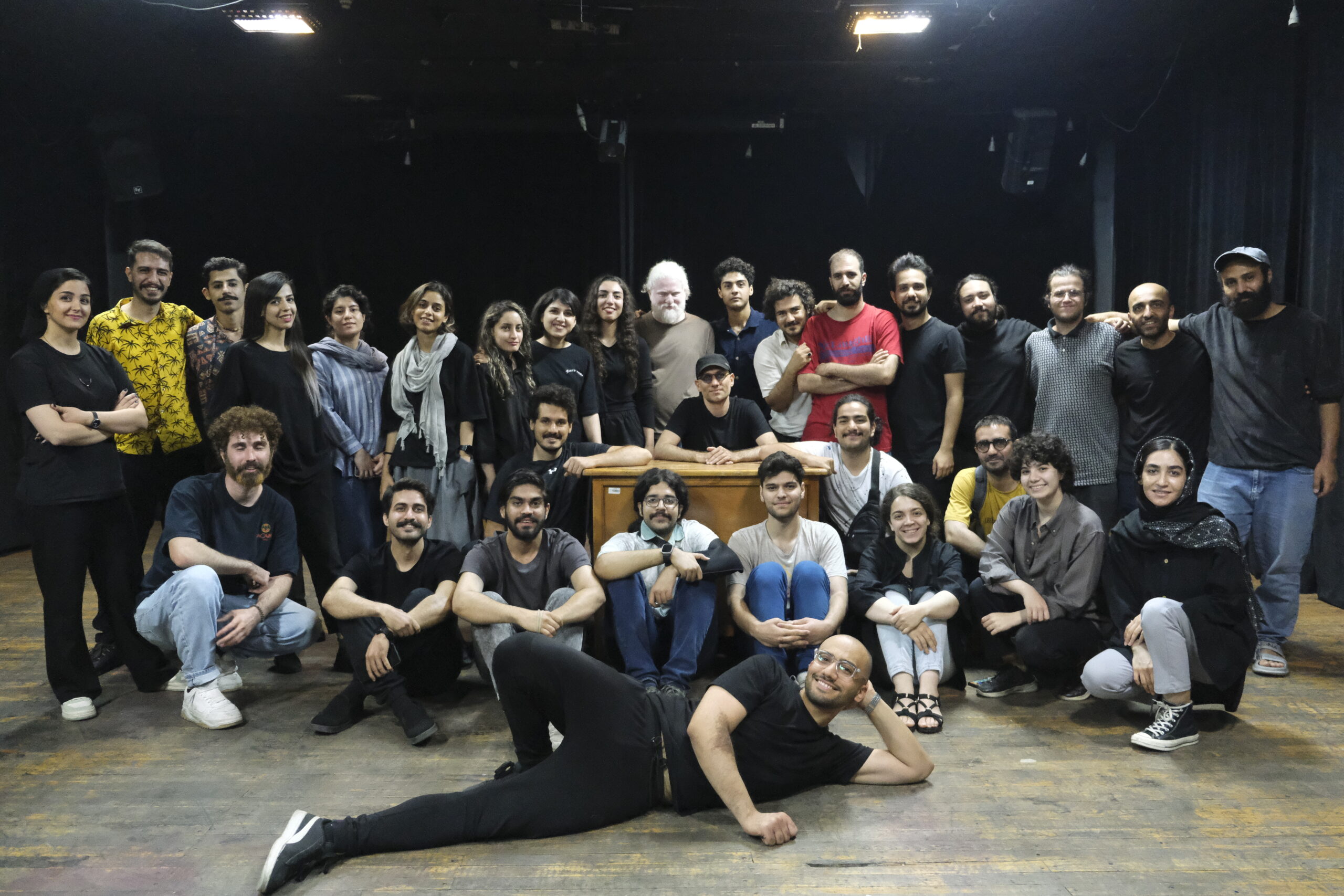
Achievements
Each time this event takes place at a college, it draws participation from students across different faculties. This inter-university interaction fosters new artistic and social networks, creating opportunities for collaboration among students of different backgrounds to produce joint theatrical works for student festivals.